Meditation Retreats in Varkala, Kerala: A Practical Guide
TL;DR
Varkala has a reputation for yoga tourists. That reputation is only half true.
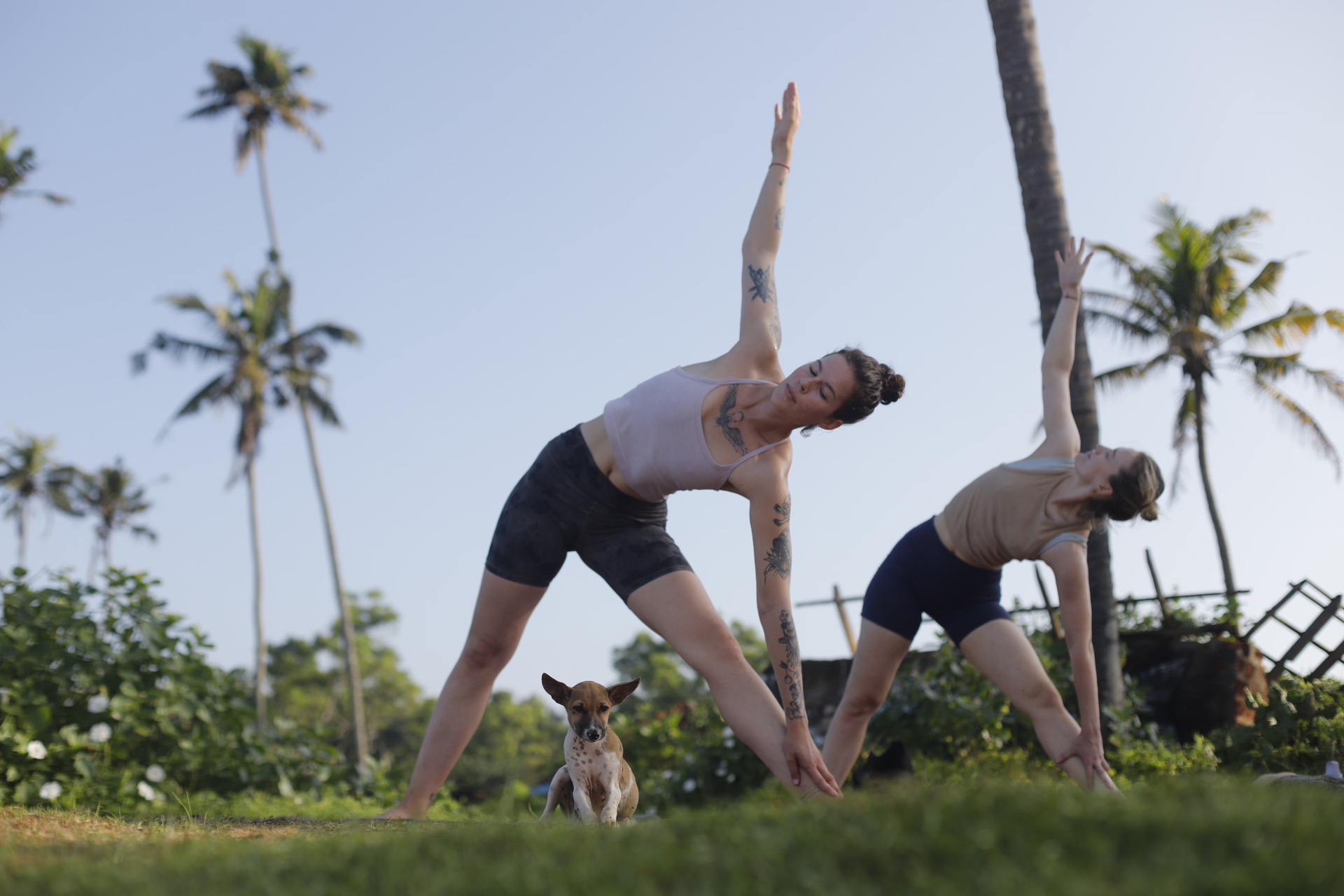
The north cliff has cafes, surf rentals, and a stretch of restaurants playing the kind of ambient music that follows you around Southeast Asia. A few hundred metres back, there are schools running serious practice programs — structured daily schedules, actual curricula, teachers with lineage. The two things coexist. You just need to know which one you are looking for.
What Makes Varkala a Good Place for Meditation?
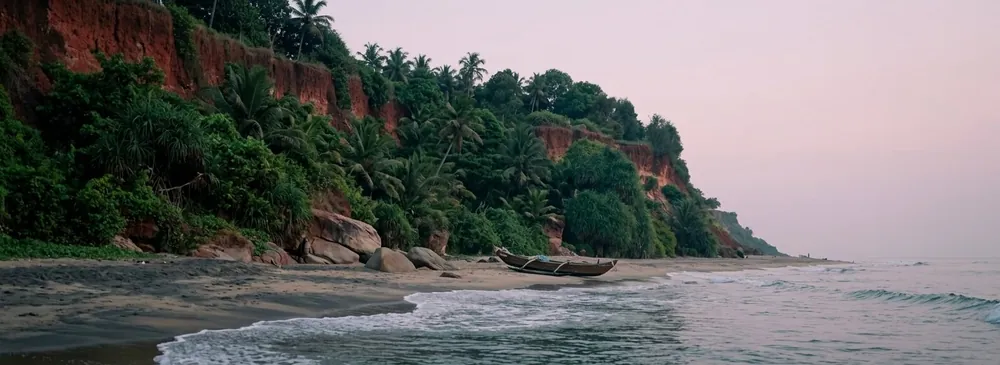
Varkala is a small clifftop town on Kerala's southwest coast, about 50 kilometres north of Thiruvananthapuram, with an unhurried rhythm that most bigger Indian spiritual destinations have long since traded for tourism. The beach is accessible but not the main event. Most serious practice centres sit just far enough back from the tourist strip that the environment genuinely supports stillness rather than undermining it.
What distinguishes Varkala from Rishikesh or Mysore is scale. Rishikesh is a city now. Varkala is still a small town — less noise, shorter distance between your room and the meditation hall, fewer distractions when you decide to practice in the evening instead of going to dinner.
The climate helps. The best season is October to February, when the humidity drops and the mornings are the kind that make getting up at 6am feel reasonable. The monsoon runs from June to August and makes outdoor practice difficult.
What Types of Meditation Programs Exist in Varkala?
Programs in Varkala fall into three categories: short yoga and meditation packages running 3 to 6 days, deeper immersive programs lasting 10 to 12 days, and structured teacher trainings running 21 days or longer. They differ not just in length but in what they ask of you.
Short packages are the most accessible. They typically include morning asana, pranayama, and one or two guided meditation sessions per day. They work well as an introduction or a reset — useful if you have limited time or are approaching structured practice for the first time.
Immersive programs are something different. At 10 to 12 days, the practice starts to accumulate. You move past the initial phase where the mind produces resistance, and the structure begins to feel like support rather than constraint. Most include theory alongside practice — philosophy, the history of meditation traditions, neuroscience — not just technique repetition.
Teacher training programs at 21 days or longer are a different category entirely. They are educational programs, not retreats. The distinction matters. A retreat gives you space. A teacher training changes your understanding of the practice, of how to transmit it, and of yourself as a practitioner. If you are considering becoming a meditation teacher, a residential program in Varkala is one of the most efficient paths available.
How Long Should a Retreat Actually Be?
Three to six days produces a reset. The nervous system decompresses, sleep improves, and you leave with a clearer sense of what a daily practice could feel like. But the change tends not to persist. Six days is not long enough for new habits to solidify.
Ten to twelve days is where most practitioners notice something different happening. The research on mindfulness and neuroplasticity suggests that consistent daily practice over 8 to 12 weeks produces measurable structural changes in the brain. A 10-day immersive accelerates this by removing the conditions that ordinarily interrupt practice — the phone, the work, the social commitments.
Twenty-one days or longer is a structural commitment. Programs of this length typically include formal teaching methodology alongside personal practice, which is why they function as teacher trainings rather than retreats. The Vipassana tradition's 10-day silent course is one well-known example of what extended silence and structure can produce — though it teaches a single technique where other programs teach across multiple traditions.
What to Look for When Choosing a Program
Not every program in Varkala deserves its description. Five things worth checking before you book.
A published daily schedule. If a school cannot show you what happens from 6am to 9pm, the structure is improvised. Serious programs plan their time precisely and share it openly.
Teacher credentials. Ask who is teaching and what their training was. "Many years of experience" is not a credential. A named lineage, a named teacher, or a verifiable certification is.
A written curriculum. What traditions will you practice? What philosophy will be taught? A program that lists "meditation" without further specification is selling a mood, not an education.
Honest language about who the program is not for. The best schools name their target student clearly and say who should not come. If every page uses the word "transformative" without saying what that means, be sceptical.
Accommodation and food included in the price. Varkala has a range of quality. Programs that include accommodation typically control the environment more carefully, which matters when you are trying to sleep by 9pm and wake at 5:30am.
What Omunity Meditation Offers in Varkala
Omunity Meditation is a meditation teacher training school in Varkala with three structured programs.
The 6-Day Meditation and Pranayama program is for conscious travellers and practitioners with some prior exposure to sitting practice. The daily schedule includes pranayama techniques such as Nadi Shodhana, asana, and guided meditation sessions across multiple traditions. It is not designed for people seeking relaxation, and says so.
The 12-Day Meditation Immersion adds theory to the practice: neuroscience, yoga philosophy, the history of meditation traditions. The target student is someone who already meditates and wants to understand what they are doing and why. The curriculum includes shatkarma cleansing practices alongside meditation, pranayama, and philosophy.
The 21-Day 200H Meditation and Pranayama Teacher Training combines a 12-day immersion with a 9-day teacher training component. It includes teaching methodology, supervised teaching practice, and the full immersion curriculum. This program leads to meditation teacher certification. It is structured as a school, not a retreat.
Full program details, schedules, and dates are on the Omunity website.
When to Go and What to Expect on Arrival
The best window for a Varkala retreat is October through February. March and April are warm but manageable. May through September is monsoon season — possible, but outdoor practice is interrupted regularly.
To get there: fly into Thiruvananthapuram (TRV), the nearest international airport, roughly 50 kilometres south of Varkala. A taxi takes about 90 minutes. The Varkala Sivagiri train station connects to Chennai, Mumbai, and Bengaluru directly.
Bring loose cotton clothing, a light shawl for evening meditation, and a personal practice strong enough to survive a week without guidance. Leave expectations about what meditation is supposed to feel like at the airport.
Frequently Asked Questions
Is Varkala suitable for complete beginners to meditation?
For short 3 to 6 day programs, yes, with some prior exposure to sitting practice. Longer immersions and teacher trainings require an established practice. Most serious schools in Varkala list their prerequisites clearly — read them before booking.
What is the difference between a meditation retreat and a teacher training?
A retreat is designed to deepen your personal practice and give you space. A teacher training is an educational program — it covers how to guide others, philosophy and theory, and includes supervised teaching practice. They require different levels of commitment and produce different outcomes.
Are there silent retreats available in Varkala?
Yes. Several programs include structured silence. Full Vipassana-style 10-day silent retreats are less common in Varkala than in Thrissur or Igatpuri, but periods of silence within longer programs are standard at serious schools.
How much does a meditation retreat in Varkala typically cost?
Short programs (3 to 6 days) with accommodation and meals typically run between $300 and $600 USD. Longer immersions (10 to 12 days) range from $600 to $1,200 depending on accommodation quality. Teacher trainings at 21 days vary widely by school and curriculum depth.
Do I need prior experience to join a program in Varkala?
It depends on the program. Short packages generally require no prior experience. Immersive programs typically ask for some existing practice. Teacher trainings require a solid personal practice — most specify a minimum of one to two years of consistent daily meditation. Read the prerequisites before applying.
Lisa is a conscious content writer at Omunity Meditation.
What we offer
From intensive teacher trainings to week-long retreats, we offer programs for every stage of your meditation journey.


200H Meditation & Pranayama Teacher Training
A 21-day intensive teacher training course designed to dive deep into consciousness and learn how to guide others. For yoga practitioners who want to dive deeper into meditation & pranayama and teach it.


Meditation Immersion Program
An intensive 12 day program to dive deep into yourself and discover who you are, through multi-style meditation & pranayama practice.
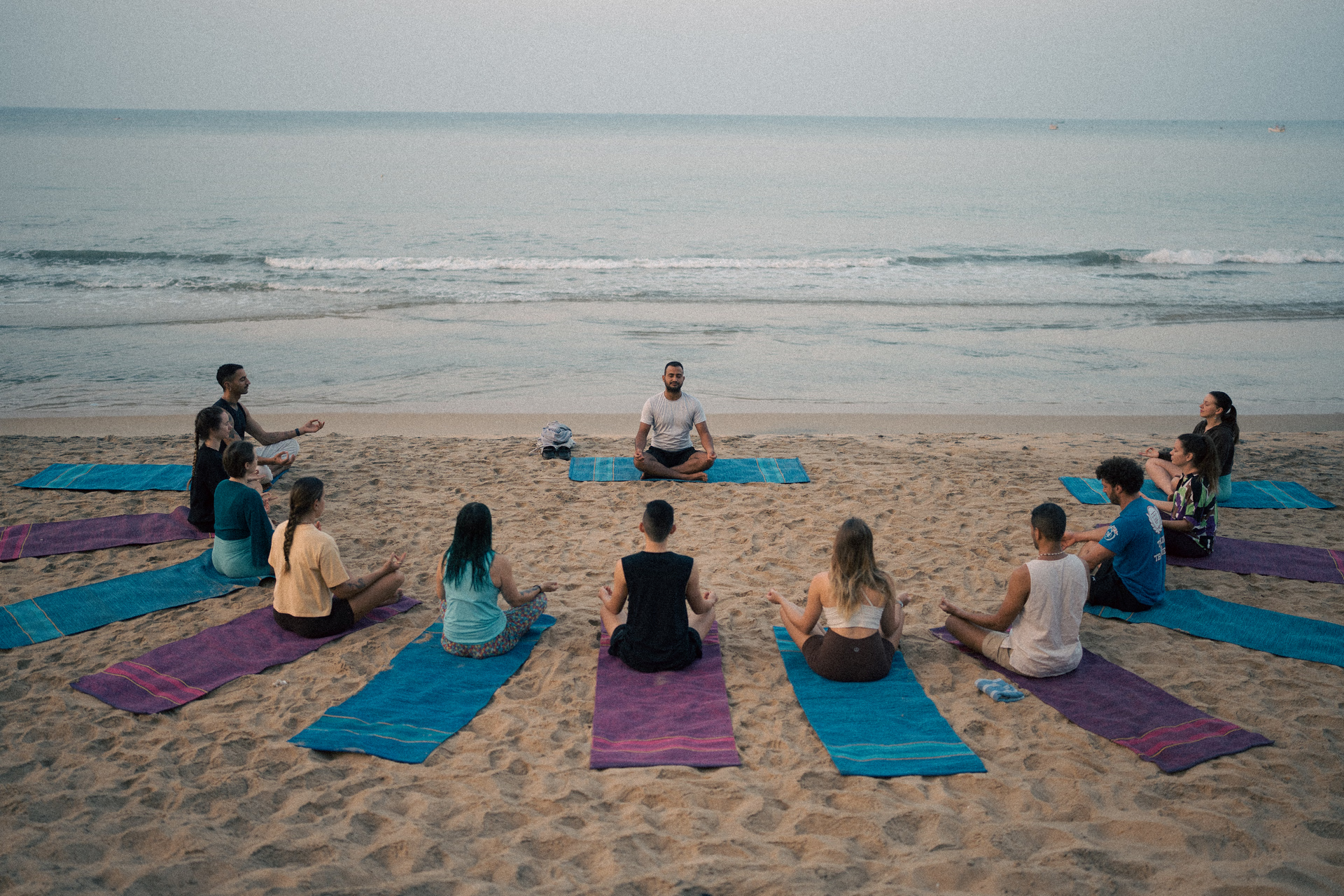

Meditation & Silence Retreat
Take 6 days off of modern life to get back to yourself. Through silence, meditation practice and creative exploration, you will reconnect with who you truly are.
Practice near the ocean and Jungle of Kerala
Omunity Meditation school located in Varkala, a serene cliffside town in Kerala, known for its unique mix of Ayurveda, yoga, beaches, and surf culture. Just minutes from our private campus, you’ll find golden sands, breathtaking cliffs and cosy cafés overlooking the Arabian Sea. Unlike India’s busier tourist hubs, Varkala offers a safe, welcoming atmosphere, ideal for yogis, travelers, and surfers looking for both peace and connection.